Loading...
Please wait while we prepare your content
Please wait while we prepare your content
With deep, comprehensive experience and a wide range of successful stories around the world, Pharmaceutical Tubes Installation (PTI) was established with a clear vision to be the first choice in offering exceptional services for manufacturing, installing, and maintaining pipes in all health applications and pharmaceutical industries following the international guidelines and accreditations such as GMP, AWS, and FDA accreditations.
We`ve loved working with many fantastic companies, and are really proud of what we`ve achived togeather.
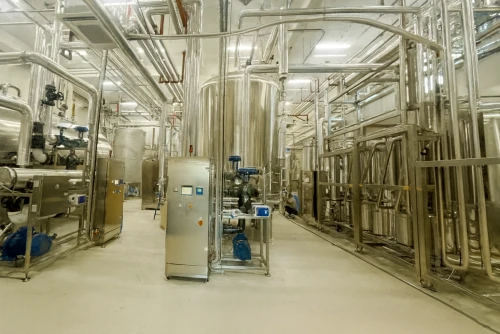
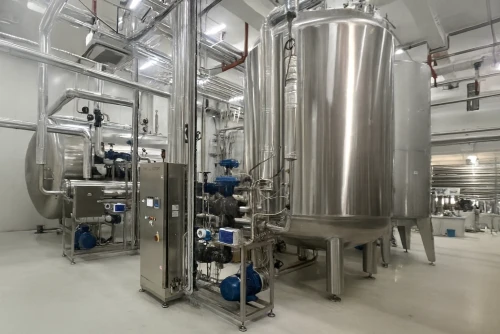
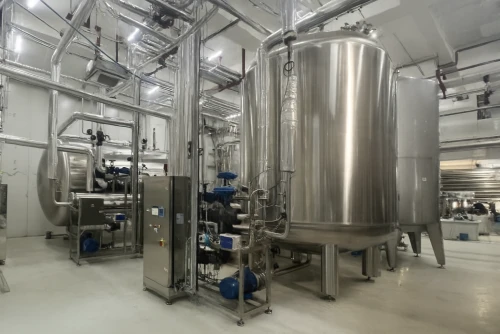
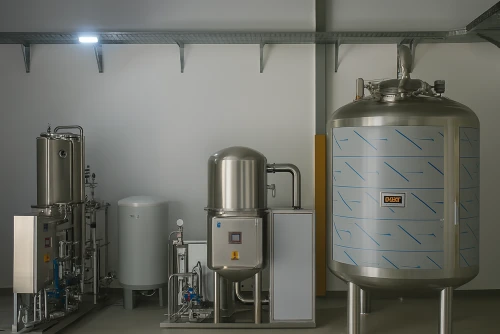
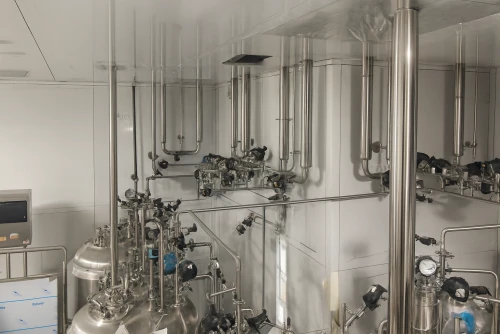
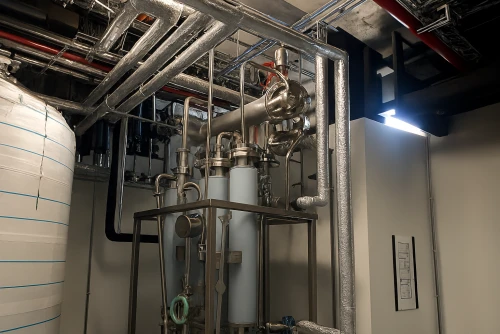
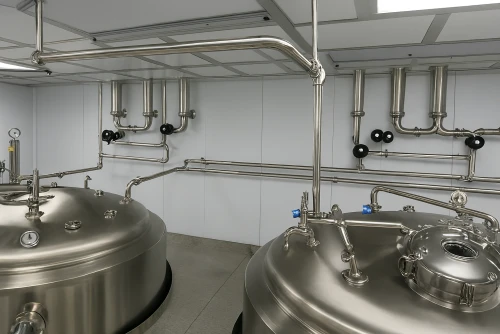
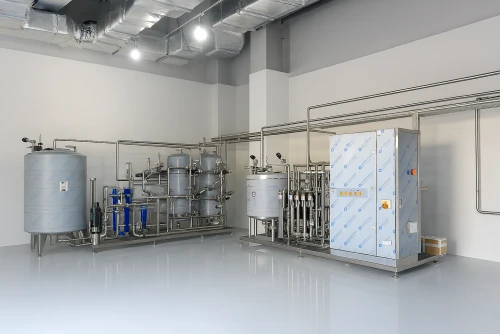
In pharmaceutical manufacturing, utility loops such as Water for Injection (WFI), Purified Water (PW), Clean Steam and Compressed Air are critical to maintaining product quality and regulatory compliance.
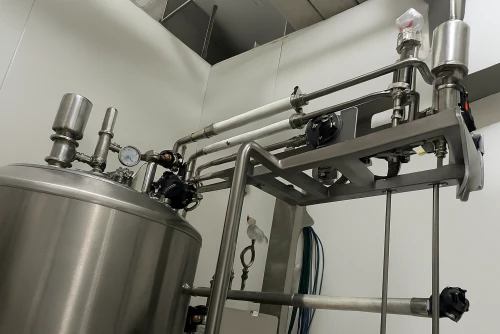
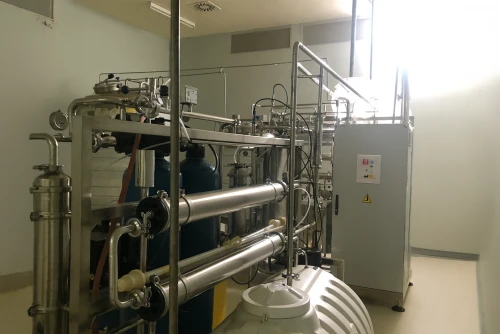
The installation of these loops involves the careful design and setup of hygienic piping systems that ensure continuous flow, sterility and minimal contamination risk.
Proper installation is essential to meet GMP standards, ensure system integrity, support consistent and safe pharmaceutical production.
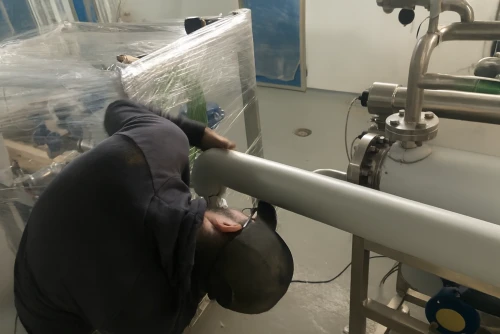
This process includes selecting suitable materials, precision welding, thorough testing and final qualification to ensure operational readiness.
In pharmaceutical manufacturing, utility loops such as Water for Injection (WFI), Purified Water (PW), Clean Steam and Compressed Air are critical to maintaining product quality and regulatory compliance.
The installation of these loops involves the careful design and setup of hygienic piping systems that ensure continuous flow, sterility and minimal contamination risk.
Proper installation is essential to meet GMP standards, ensure system integrity, support consistent and safe pharmaceutical production.
This process includes selecting suitable materials, precision welding, thorough testing and final qualification to ensure operational readiness.
Installation Workflow
1. Design Review
- Finalize P&ID, layout, flow direction and component locations.
- Confirm compliance with GMP and hygienic design standards.
2. Material Procurement
- Source certified materials (e.g., SS316L pipes, valves, fittings).
- Verify MOCs and surface finish requirements.
3. Pre-Fabrication
- Orbital welding of pipe spools.
- Visual & Borescope inspection of welds.
4. Site Preparation
- Ensure area readiness: structural supports, utility connections, access etc.
5. Loop Installation
- Install piping with correct slope and drainability.
- Integrate components (filters, flow meters, sampling points).
- Maintain proper welding and documentation (weld log, traceability).
6. Pressure Testing
- Perform hydrostatic/pneumatic testing for leak integrity.
7. Cleaning & Passivation
- Clean internal surfaces to remove contaminants.
- Passivate SS surfaces to enhance corrosion resistance.
8. Commissioning
- Verify flow, pressure, temperature, and valve function.
- Check system controls and automation interfaces.
9. Qualification
- Perform IQ/OQ
- Document compliance for regulatory approval.
Techniques:
1. Orbital Welding
- Ensures uniform, high-quality, contamination-free welds.
2. Slope Management
- Maintain continuous slope (1:100 minimum) for drainability.
3. Tri-Clamp Fittings
- Allow easy disassembly for cleaning and validation.
4. Borescope Inspection
- Inspect internal pipe surfaces and welds for cleanliness.
5. Weld Mapping & Traceability
- Track each weld with ID numbers and documentation for QA.
6. Isometric Drawing Use
- Guide accurate onsite routing and component positioning.
Tactics:
1. Pre-Fab in Controlled Conditions
- Assemble sections offsite to reduce contamination risk.
2. Cleanroom Handling Procedures
- Avoid particulate ingress; use caps and protective coverings.
3. Install from High to Low
- Begin with highest elevation to maintain slope and flow.
4. Segregate High-Purity Loops
- Keep separate from non-pharma utilities to prevent cross-contamination.
5. Frequent Visual & Instrument Checks
- Monitor installation quality in real-time.
6. Use of Qualified Installers
- Only certified welders and technicians to handle loop systems.
Value Propositions:
1. Regulatory Compliance
- Meets GMP, AWS, ASTM, ISPE and ASME BPE standards, ensuring audit readiness.
2. Product Quality Assurance
- Minimizes contamination risk by maintaining clean, sterile flow paths.
3. Operational Reliability
- Well-installed loops reduce downtime and maintenance needs.
4. Efficient Cleaning & Sterilization
- Hygienic design ensures effective CIP/SIP processes.
5. Long-Term Cost Savings
- Fewer breakdowns, rework, and microbial issues lead to reduced operational costs.
6. Improved Qualification Outcomes
- Facilitates successful IQ/OQ/PQ, enabling faster time-to-market.
7. Safety & Risk Reduction
- Prevents leaks, corrosion, and contamination through proper material selection and installation.
Call to Action
To ensure a compliant, efficient and contamination-free production environment, it is critical to execute loop installation with precision and discipline.
Let’s align our teams, follow GMP practices and apply proven techniques to deliver high-quality utility loops.
Begin by reviewing designs, securing certified materials and engaging qualified installers—because in pharmaceutical manufacturing, every weld and slope matters.
Let’s build it right the first time.
Qualification is a crucial aspect of ensuring that the passivation process and the entire water treatment system in pharmaceutical facilities meet the required regulatory standards, such as GMP (Good Manufacturing Practice) and ISPE (International Society for Pharmaceutical Engineering) guidelines. Qualification involves a series of structured tests and procedures that validate the system’s performance, safety and compliance.
In the context of passivation, qualification serves to verify that the passivation process has been carried out correctly and that the water system will consistently produce water that meets the required quality standards.
The Pressure Test Certificate by the foreman and countersigned by the Customer.
The Pressure Test Certificate serves as a key document to confirm that the water treatment system, after the passivation or installation, is safe to operate under pressure and free of leaks. It ensures that the system can handle its operational conditions and meets the required safety and performance standards. The foreman’s signature and the customer’s countersignature both play a critical role in validating the test results and formalizing the completion of the qualification process.
For more details, please contact us directly
We've loved working with many fantastic companies, and are really proud of what we've achieved together.